Storm and hail roof damage in DeSoto
After wind or hail, get the roof condition checked before deciding what work is needed. Request a free storm damage roof inspection in DeSoto.
Free inspection. A roofer walks the roof when conditions allow.
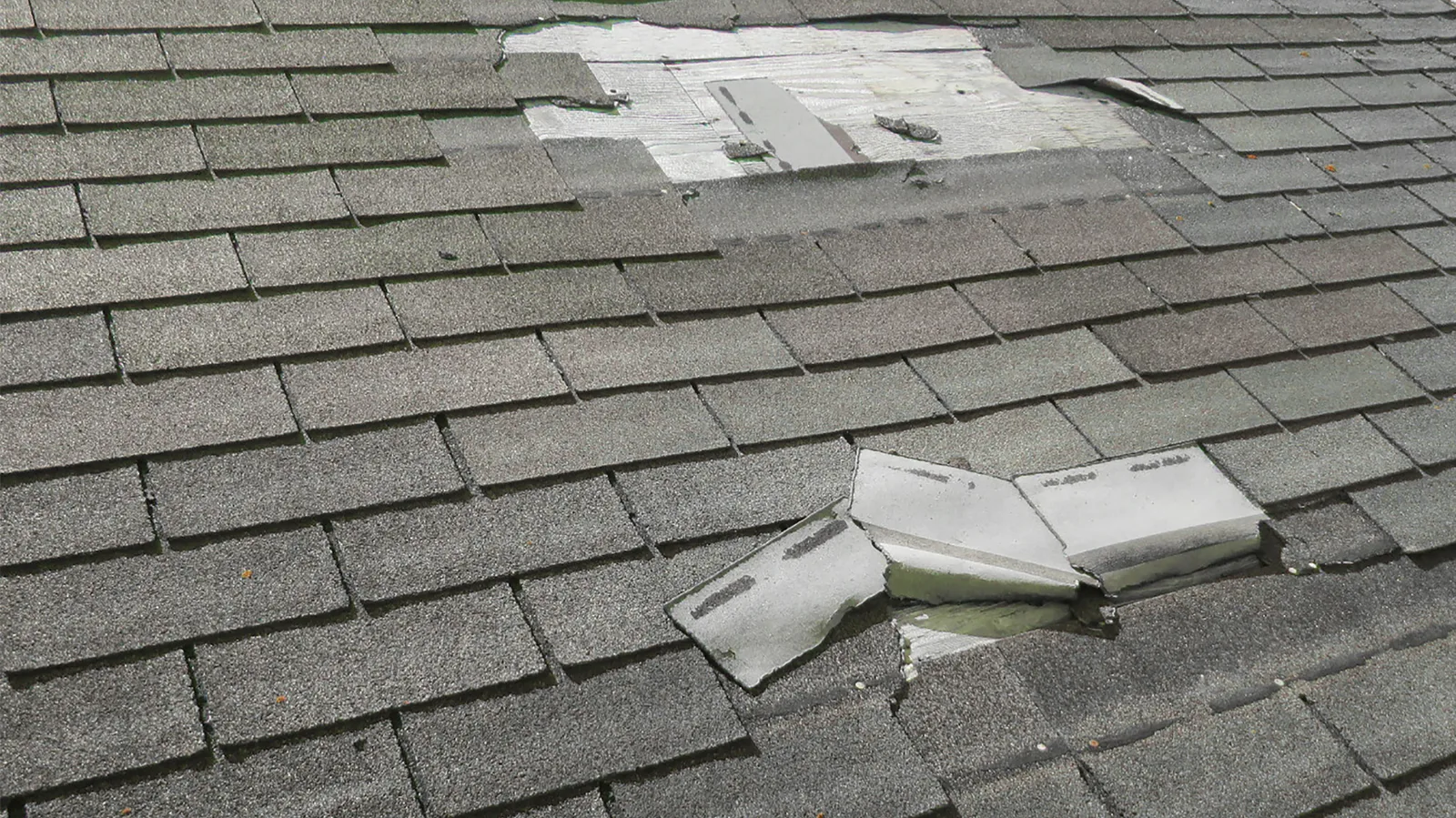
A DeSoto storm inspection starts with the roof condition
A shingle on the lawn is an obvious change. A hail impact can be harder to judge from the ground. Both call for looking at the actual roof and the condition of the material around the affected area.
Wind and hail act differently. Lifted or creased shingles can interrupt the overlapping rain path. Hail may affect the covering or roof details, with the significance depending on the material and the physical finding. Marks alone need interpretation in context.
A free inspection gives a roofer a chance to examine those conditions and consider whether localized repair or broader work fits the roof.
What hail and wind can change on a DeSoto roof
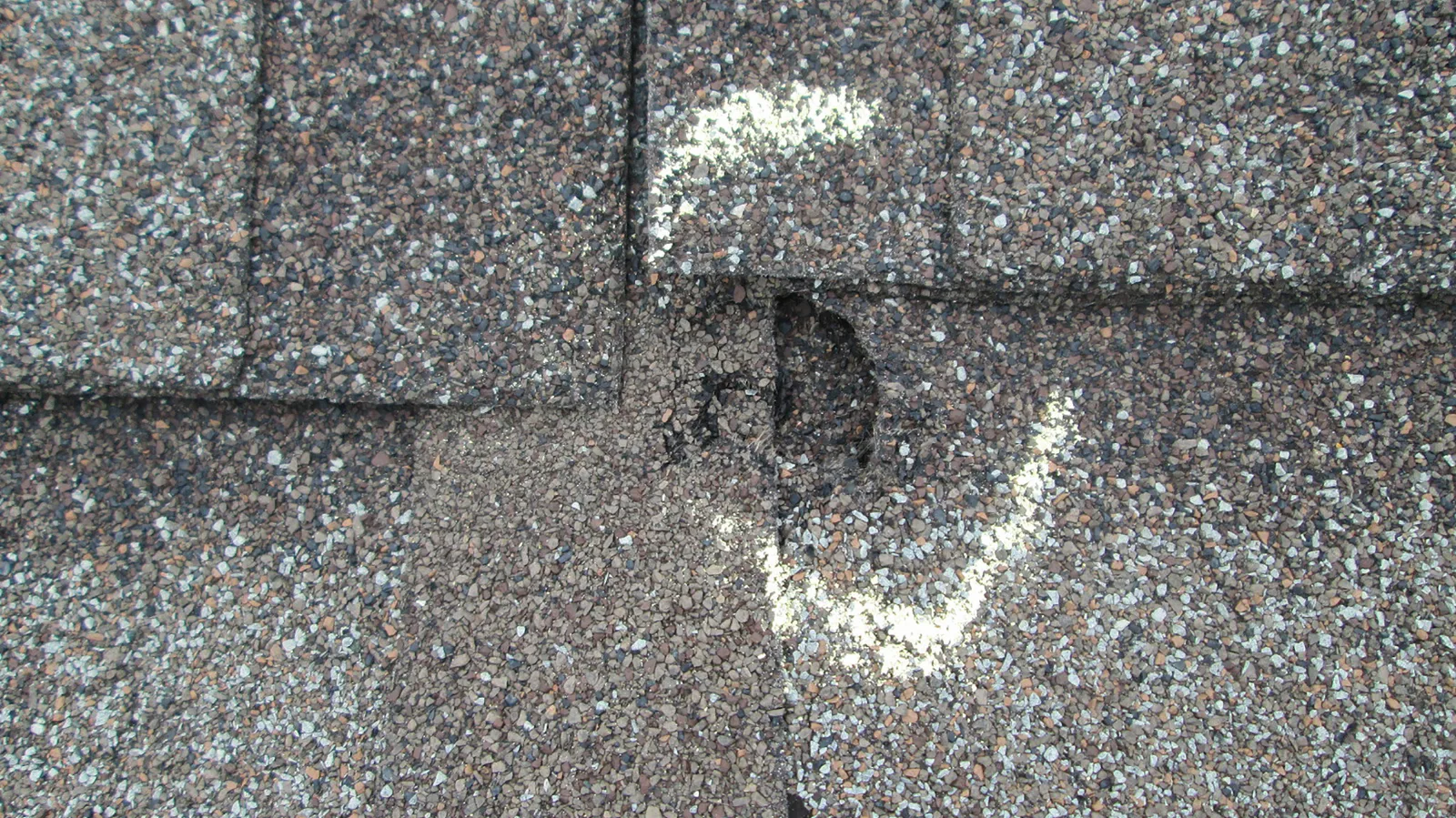
Hail effects at the covering
A closer look distinguishes a material change from ordinary weathering or a surface mark. The inspection considers the condition around it and whether similar findings extend across the roof.
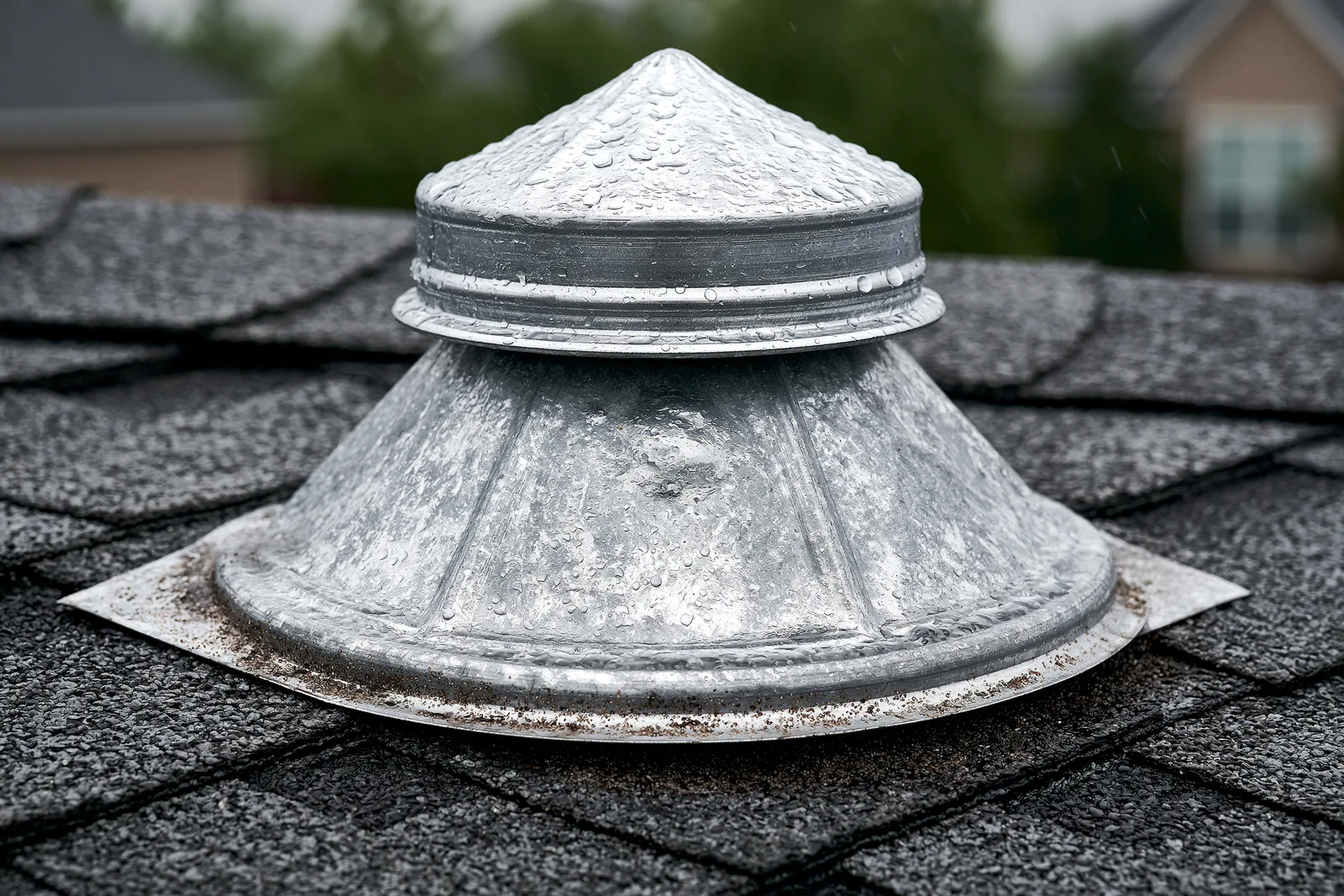
Wind-driven rain at roof details
Rain can reach a vulnerable vent or flashing connection while the broad covering remains in place. The detail and its overlaps need attention along with any displaced shingles.
What a roofer looks for on a DeSoto roof after hail or wind
Storm damage is physical, and it has a look. A roofer isn’t guessing from the forecast. These are the specific things that get checked, and what each one does to the roof over time.

Hail bruises on shingles
A hailstone that hits hard enough crushes granules into the asphalt and can fracture the fiberglass mat underneath. The spot feels soft under a thumb, like a bruise on fruit. It may not leak this month, but with the granules gone the asphalt is exposed to sun, and the fracture grows as the shingle heats and cools.
Telling hail from ordinary wear
Not every mark is hail. Blisters that popped, scuffs from foot traffic, and granule loss from age all leave their own patterns. Hail hits are random across a slope, roughly round, and show up on the slopes that faced the storm. Sorting one from the other takes a close look, which is why a photo from the yard settles nothing.
Dents in vents, flashing and gutters
Soft metal keeps a record. Dings in box vents, turbine caps, valley metal and gutters show how big the hail was and which direction it came from. Dented metal is often cosmetic, but a cracked vent cover or a flange knocked loose is a leak waiting on the next rain.
Creased and lifted shingles
Wind works on the seal strip. Once a shingle lifts, it flexes at the same line until the mat creases. A creased tab can lie flat and look fine from the street, but it is broken, it won’t reseal, and it is the next thing to blow off.
Missing shingles and exposed underlayment
Where shingles are gone, the underlayment is the only thing keeping rain off the deck, and it isn’t made to stay exposed for long. These spots get priority because every rain makes the eventual repair larger.
Punctures and impact from limbs
A fallen limb can break through the shingles and crack the decking under them. The visible hole is only part of it. The roofer checks the wood around the impact, since a cracked sheet flexes and works the new shingles loose.
Repairing a storm-damaged DeSoto roof or replacing it
A storm doesn’t automatically mean a new roof, and it doesn’t automatically mean a patch. The same questions decide it every time.
How far the damage spreads
Damage confined to one slope or one area, such as a few shingles lost along a ridge or rake.
Bruising, creasing or missing shingles on several slopes, with too many areas to stitch together.
The shape the roof was in before
Shingles that still flex, so new ones can be woven in beside them.
An older, brittle roof where lifting shingles to make the repair breaks the ones around it.
Whether the shingle can be matched
A current product, with new shingles that fit the existing courses.
A discontinued shingle whose size or profile no longer lines up with anything available.
What happened underneath
Decking that is dry and solid under the damaged area.
Cracked or soaked decking, or water that has been getting in since the storm.
The repair or replace guide goes deeper on that decision, and the DeSoto-area storm archive lists dated hail and wind reports if you are trying to pin down when something happened.
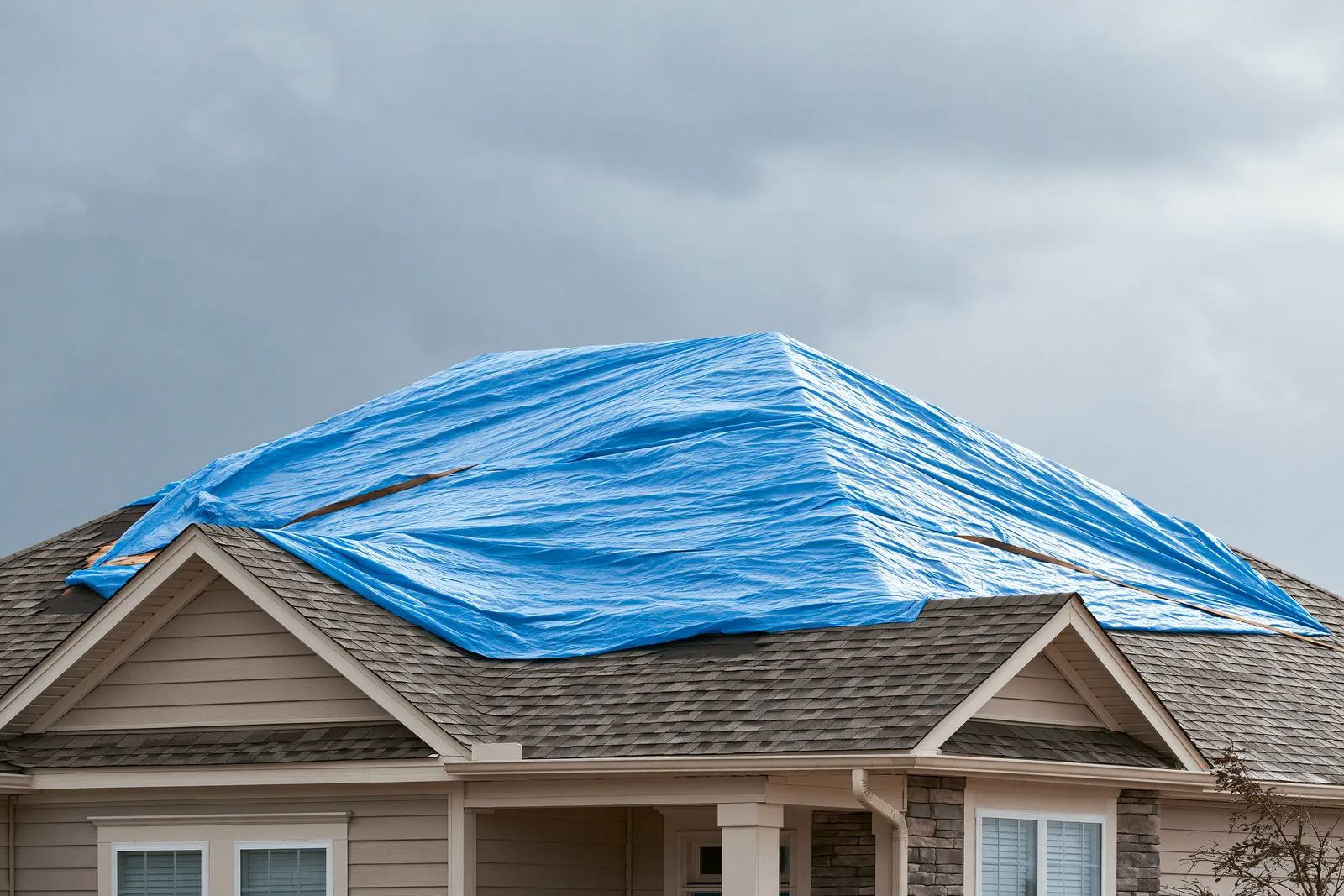
After a storm in DeSoto, start with safe observations
From indoors or safe ground level, note new stains, fallen roofing, debris or a visible change at the roof edge. Keep a record of when you noticed it. Leave roof access and unstable debris to appropriate professionals.
If water is entering, mention that when you request help. Temporary protection and permanent repair have different jobs: one limits exposure while the other restores the covering and its connections.
Keep the roof scope and insurance decision clear
A roofer’s part is the roof: what is damaged, what it takes to fix and what that work costs. What the policy pays is between you and your insurer. Texas Department of Insurance guidance explains why replacement-cost terms, actual cash value and wind or hail deductibles change what an owner ends up paying.
A weather report for the area doesn’t prove damage on your roof, and it doesn’t decide a claim. What was actually found on the roof is what the repair is built on.
Policy terms that change what an owner pays
- Replacement cost coverage pays to repair or replace without subtracting for age.
- Actual cash value coverage subtracts depreciation, so an older roof pays out less.
- A wind and hail deductible can be a percentage of the insured value of the home, not a flat dollar amount.
DeSoto storm damage FAQs
Should I have the roof checked if it has not leaked?
A leak is not the only reason to inspect after a visible change. Displaced material or damage can be present before water reaches an interior finish.
Does a NOAA hail report prove my DeSoto roof was damaged?
No. Reports describe observations at stated locations. The DeSoto-area storm archive shows its radius, period and original records; the roof condition must still be examined.
Will insurance cover a 20-year-old roof in Texas?
Age alone does not settle coverage. The cause of damage, policy terms, valuation method, exclusions and deductible matter. The insurer can explain how the actual policy applies.
Is a tarp the finished roof repair?
A tarp is temporary protection. The permanent scope needs to restore the affected covering, supporting material and connections once the roof can be worked on.
Request a storm damage roof inspection in DeSoto
Tell us about the storm date and any change you noticed. A free inspection can connect that concern to the physical work the roof needs.
Call (469) 523-0520