Roof leak repair in DeSoto
A ceiling stain shows where water arrived. Roof leak repair works back toward the opening that let it in. Request a free inspection for your DeSoto roof.
Free inspection. A roofer on the roof, and the decision after that is yours.
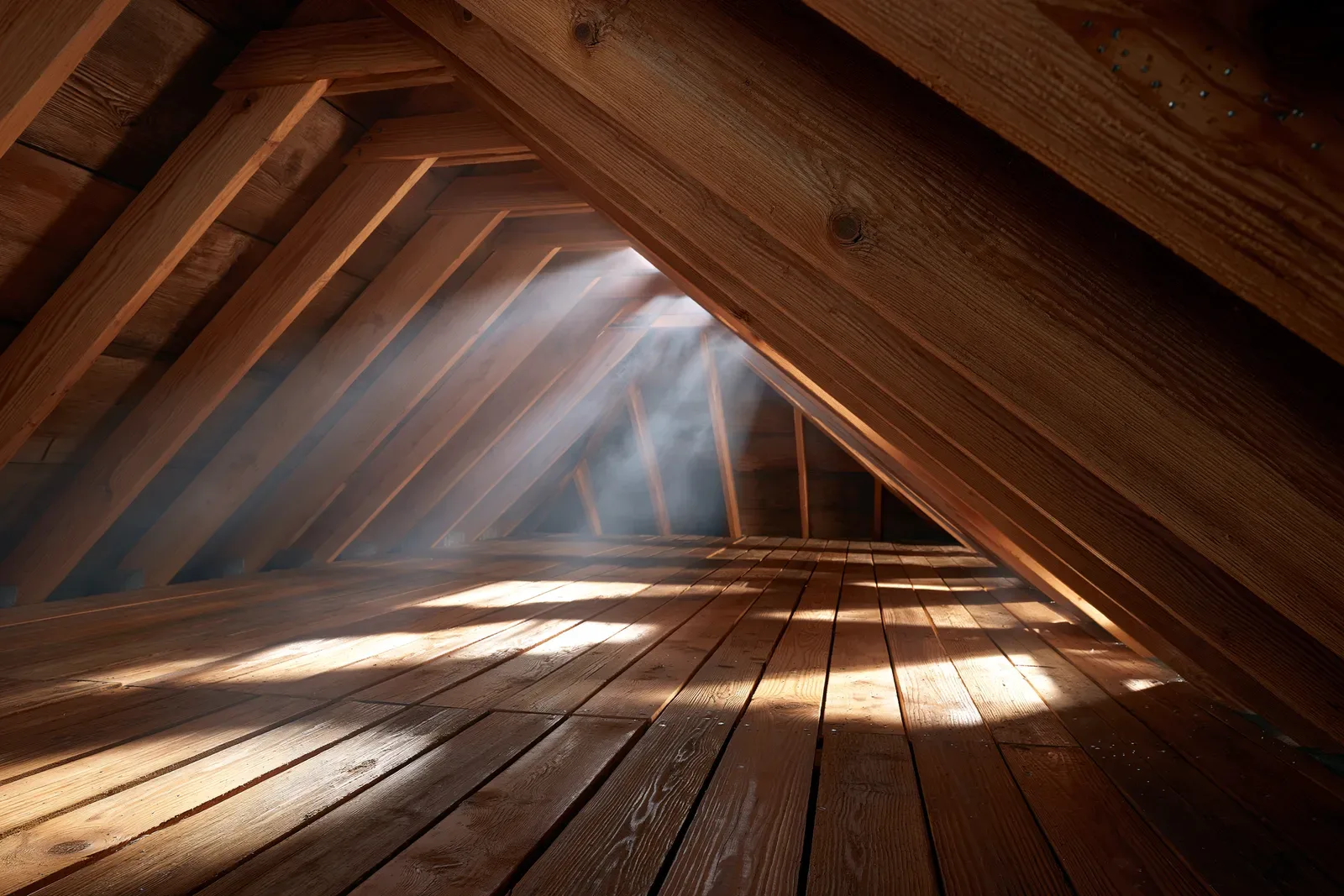
Trace a DeSoto roof leak back to its entry point
Water can enter above a room and travel across the underside of the roof deck or along framing before it becomes visible. That is why the stain and the opening are not always directly above one another.
The inspection combines the inside symptom with the roof shape and likely entry details. When does water appear? Is it near a wall, an addition or an area below a roof valley? These observations help direct attention without asking you to find the opening yourself.
The repair then needs to restore the failed connection. Covering a visible spot is useful only if it addresses the way rain is getting past the roof.
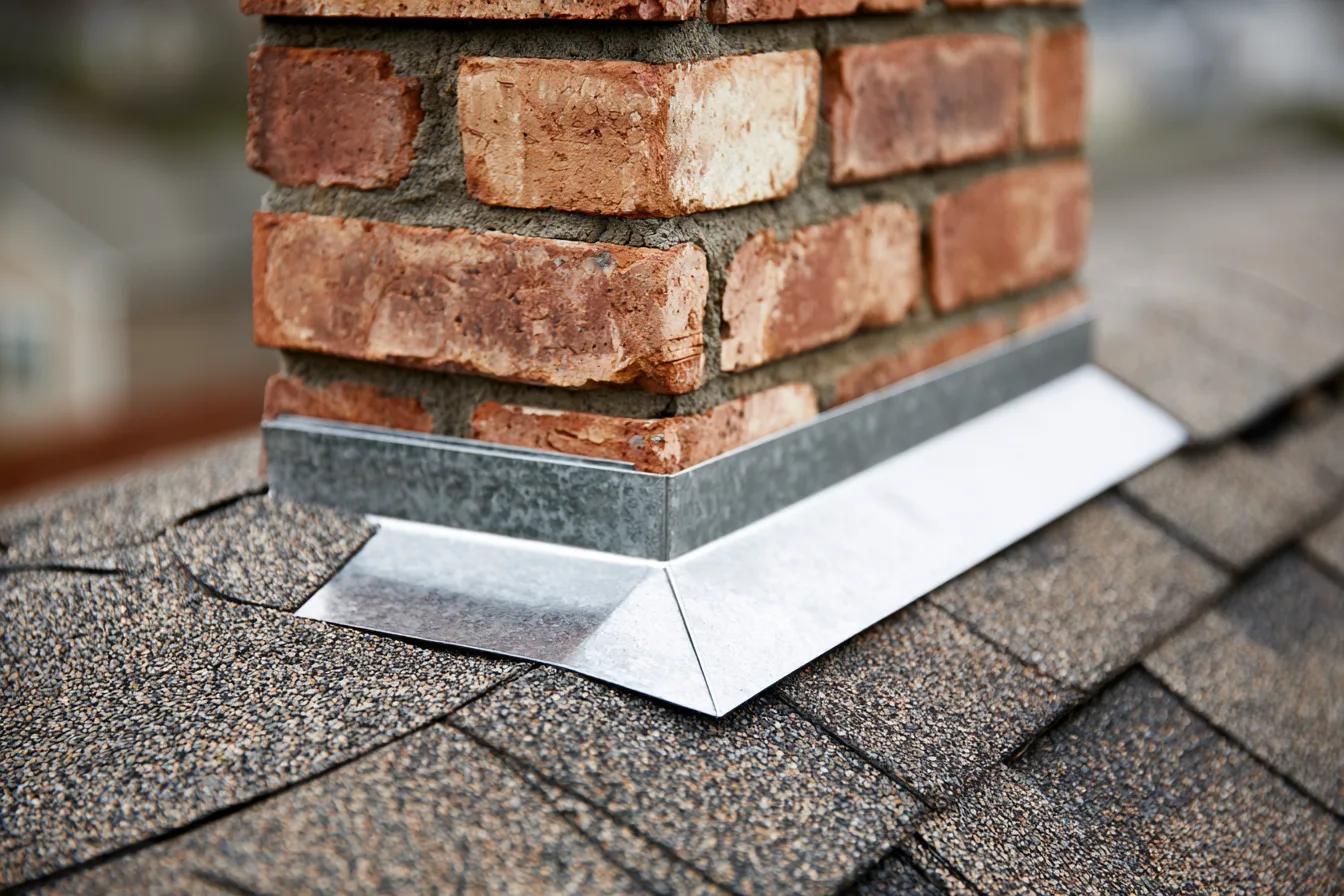
Where DeSoto roof leaks can begin
Penetrations, walls, valleys and changes of slope are useful places to investigate, along with the roof covering itself. The symptom and roof layout guide the search; the actual evidence has to connect the suspected detail with the leak.

Pipe boots
A split collar, open joint or displaced flashing around a pipe can admit water beside the penetration. The installed boot and adjoining shingles determine the repair. A stain near a bathroom is a clue to investigate, not proof that the pipe flashing is responsible.
Walls, chimneys and dormers
At a sidewall, step flashing works with the shingle courses to shed water. Chimneys and other junctions use details suited to their shape. Missing or failed connections can admit water behind the covering. Where a cricket is required or useful behind a chimney, its shape and flashing must fit the roof rather than merely divert debris to another problem area.
Valleys
Two slopes drain into one channel here. A valley leaks when leaves dam the flow and push water sideways under the shingles, when the lining has worn or cracked, or when nails were driven too close to the centerline.
Roof vents and nail pops
Vents need sound flanges and connections to the surrounding covering. A raised fastener can damage the shingle above it or leave an opening. These defects may leak under different rain conditions; their size or location does not establish a particular timing pattern.
Low-slope sections
The roof pitch determines which coverings and underlayment details can be used. Some asphalt shingles allow slopes from 2:12 with specified low-slope provisions; below the product minimum, another suitable system is needed. At a porch or addition, assess both its covering and the transition to the steeper roof.
Wind-driven rain
Some leaks only appear when rain comes from one direction. Wind pushes water uphill under lifted shingle edges or sideways into a wall joint that stays dry in an ordinary shower. Knowing which storms cause the drip helps narrow the search.
How a DeSoto roof leak gets traced and repaired
Finding the entry point identifies the failed detail. The condition of adjoining materials and layers then defines what must be opened and restored.
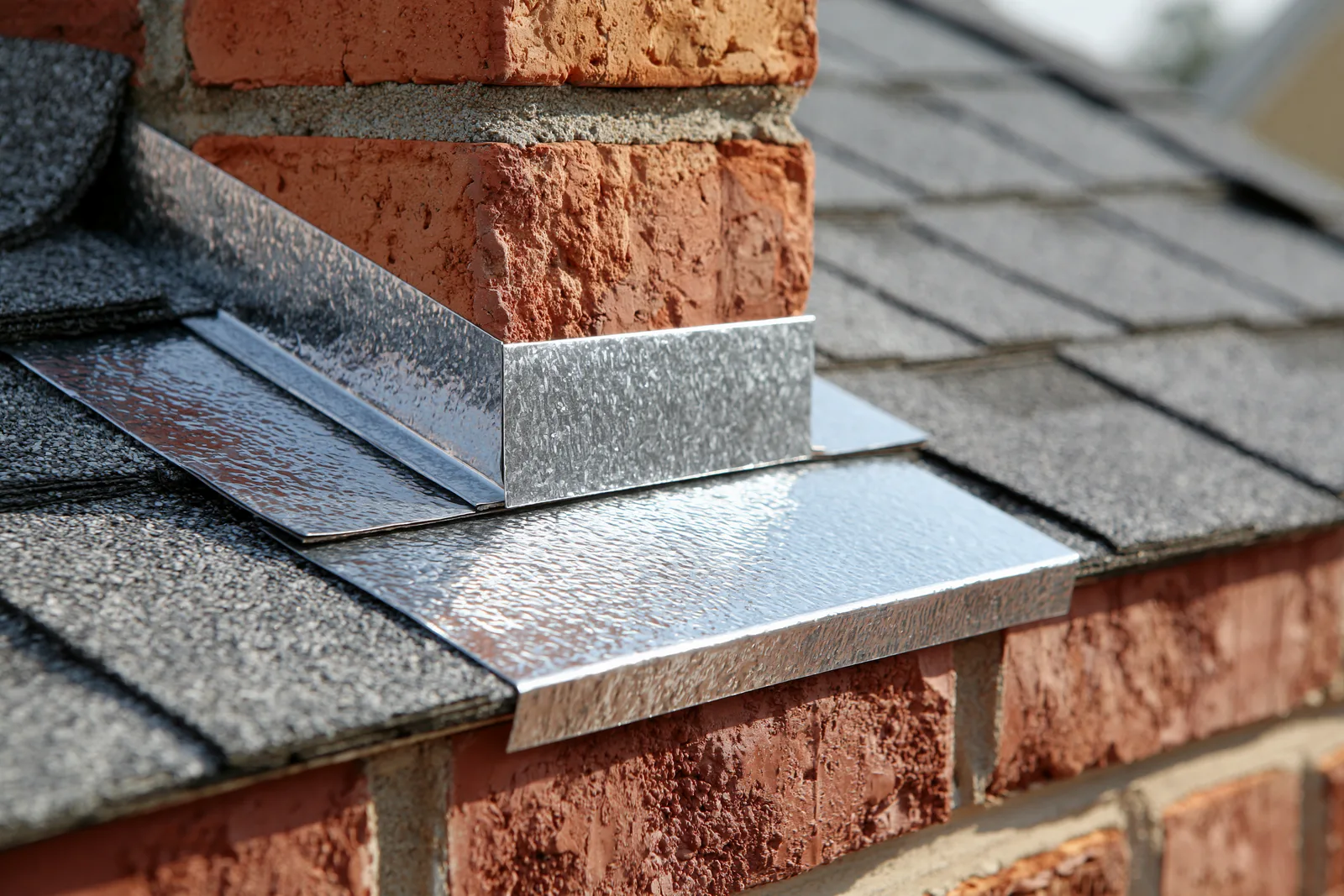
Start with what you saw
Identify the room, the part of the ceiling and when water appears. Those observations give the investigation a starting point, especially where several roof sections or wall connections sit above the same room.
Relate the stain to the roof and framing
Water may follow decking, framing or another concealed surface before it drips. The roofer considers the roof shape and accessible evidence, including details uphill or to the side, rather than assuming the opening is directly above the stain.
Check the likely entry points
Examine the likely flashing, boot, valley or covering defect and how it connects with the observed water path. A visible defect is relevant evidence, but other entries may need investigation before the cause is established.
Open the suspect area
Where further access is needed, opening the suspected area can reveal affected layers and concealed conditions. Staining helps reconstruct a water path, but may be old or have another source. Relate it to the current leak before defining the repair.
Repair the entry and what it soaked
Restore the failed detail and correct affected material that cannot remain. The roof system determines the replacement materials, fastening and water-shedding connections. The repair needs suitable adjoining work as well as a closed opening.
Then deal with the inside
Address the entry and assess drying and interior damage before final repainting. Appropriate verification depends on the leak and repair; do not rely on paint to hide an unresolved source. Keep clear of unsafe ceilings and electrical hazards while the problem is being handled.
What a leak repair costs follows how much roof has to come apart to reach the problem. The roof repair page lays out what makes that a small job or a larger one.
A leak repair needs a sound connection to the existing roof
A lasting connection needs suitable material around it. Opening a flashing detail may reveal shingles too brittle to lift intact or decking that has been wet for some time. The repair boundary can grow until it reaches sound material.
That does not make every leak a whole-roof replacement. It makes the surrounding condition part of the repair decision. The work should address both the opening and what the new material must attach to.

What to tell us about a leak in your DeSoto home
Tell us which room is affected, when water appeared and whether it followed a particular rain or wind direction. Photos taken safely inside or from the ground can help preserve the sequence you observed.
Keep people away from a sagging or bulging ceiling, and avoid water around electrical fixtures. Let a roofer handle roof access. An active leak deserves attention even when its cause is not yet clear.
Helpful to mention
- The room and where on the ceiling or wall the water showed
- Whether it happens in every rain or only with wind
- When you first noticed it
- Any earlier repair in that area
- Photos taken from inside or from the ground
DeSoto roof leak repair FAQs
Can a roof leak be investigated in dry weather?
Yes. The roof can still show damaged covering, failed flashing and evidence of a water path. The timing and location of the leak help connect those conditions to what happened indoors.
Why did a repaired ceiling stain appear again?
The entry path may still be open, or a different detail may be allowing water in. A stain can also darken when the area becomes wet again. The useful next step is to investigate the roof and source before repeating the interior finish work.
Does a roof leak mean I need a replacement?
A local opening in an otherwise sound roof may be repairable. Broader deterioration changes the decision. The repair or replacement guide explains that boundary.
Get help with a roof leak in DeSoto
Tell us where water showed up and when you first noticed it. Start with a free inspection to put the attention on the entry path and the repair it needs.
Call (469) 523-0520