Roofing in the Eagle Business and Industrial Park, DeSoto
Big distribution and manufacturing roofs along I-35E, inspected by a roofer who walks them and planned around your shifts and docks. Tell us the building and where the water shows.
Free inspection. A roofer on the roof, and the decision after that is yours.
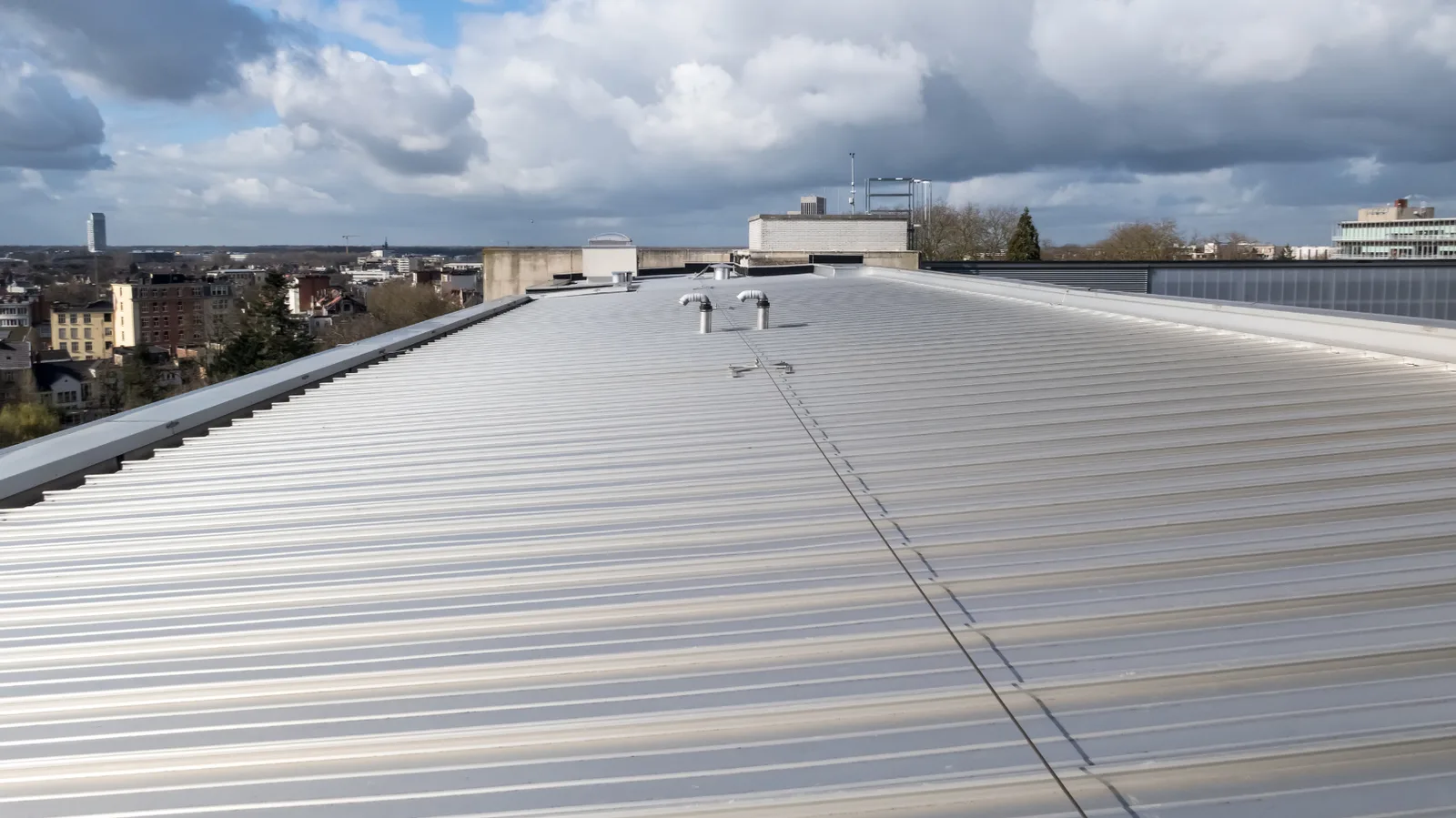
Roofing help for Eagle Business and Industrial Park buildings
The DeSoto Development Corporation’s 2019 community profile describes more than 400 acres for industrial and commercial development in Eagle Business and Industrial Park along I-35E, including distribution and light-industrial space near Centre Park Boulevard. That historical profile establishes the district context; it does not identify the roof system or present condition of a particular building.
For a working facility, a leak over stock or equipment has consequences beyond the roof surface. The roof investigation needs to connect the entry, affected layers and spaces below. Tell us the building, the concern and the access arrangements. A free walked-roof inspection starts the discussion about immediate needs and possible later work.
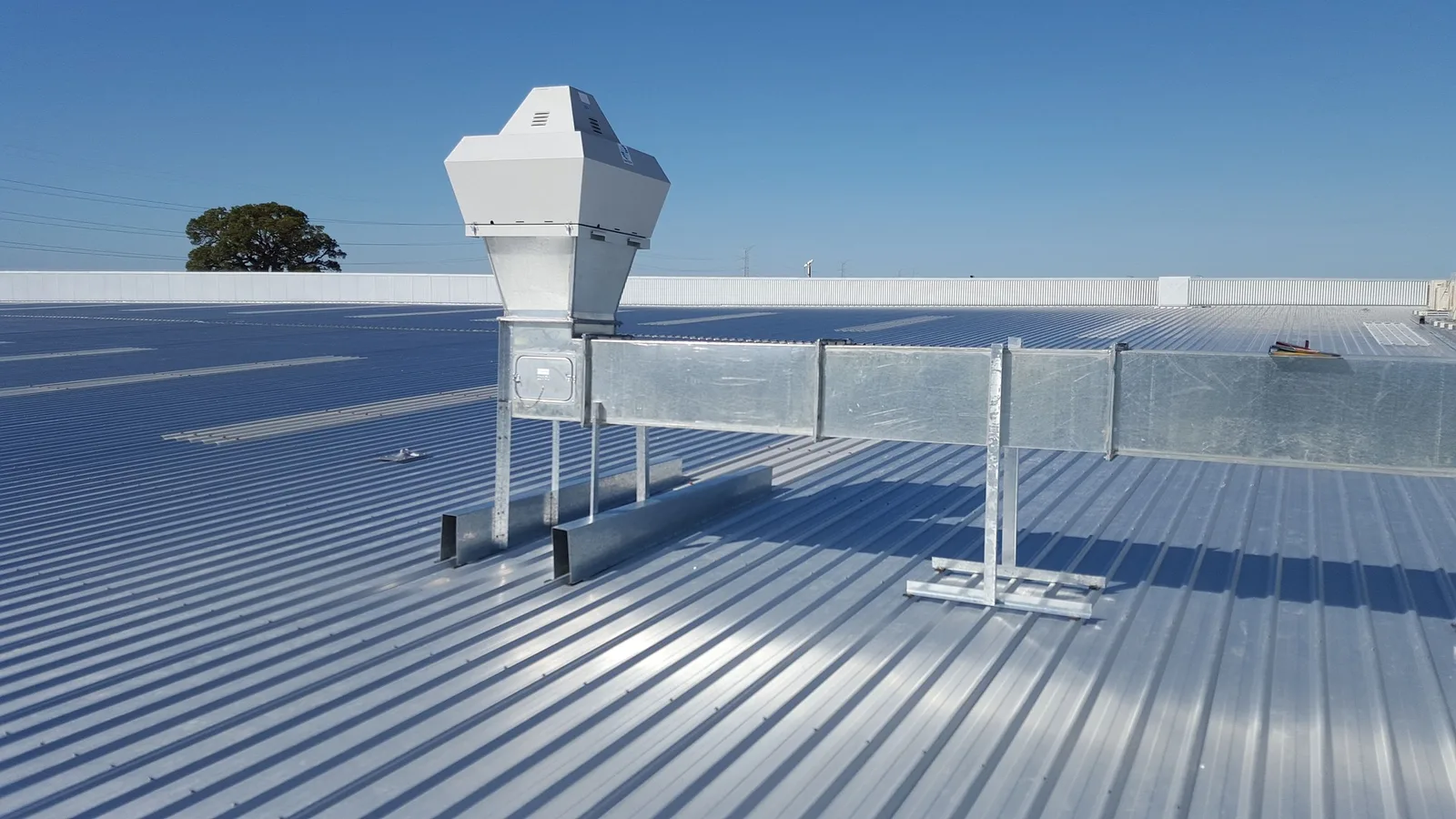
Where a large industrial roof gets attention first
On a large roof, organize the investigation by areas and details while assessing the field between them. These are useful points of attention, not a prediction of where every building will fail.
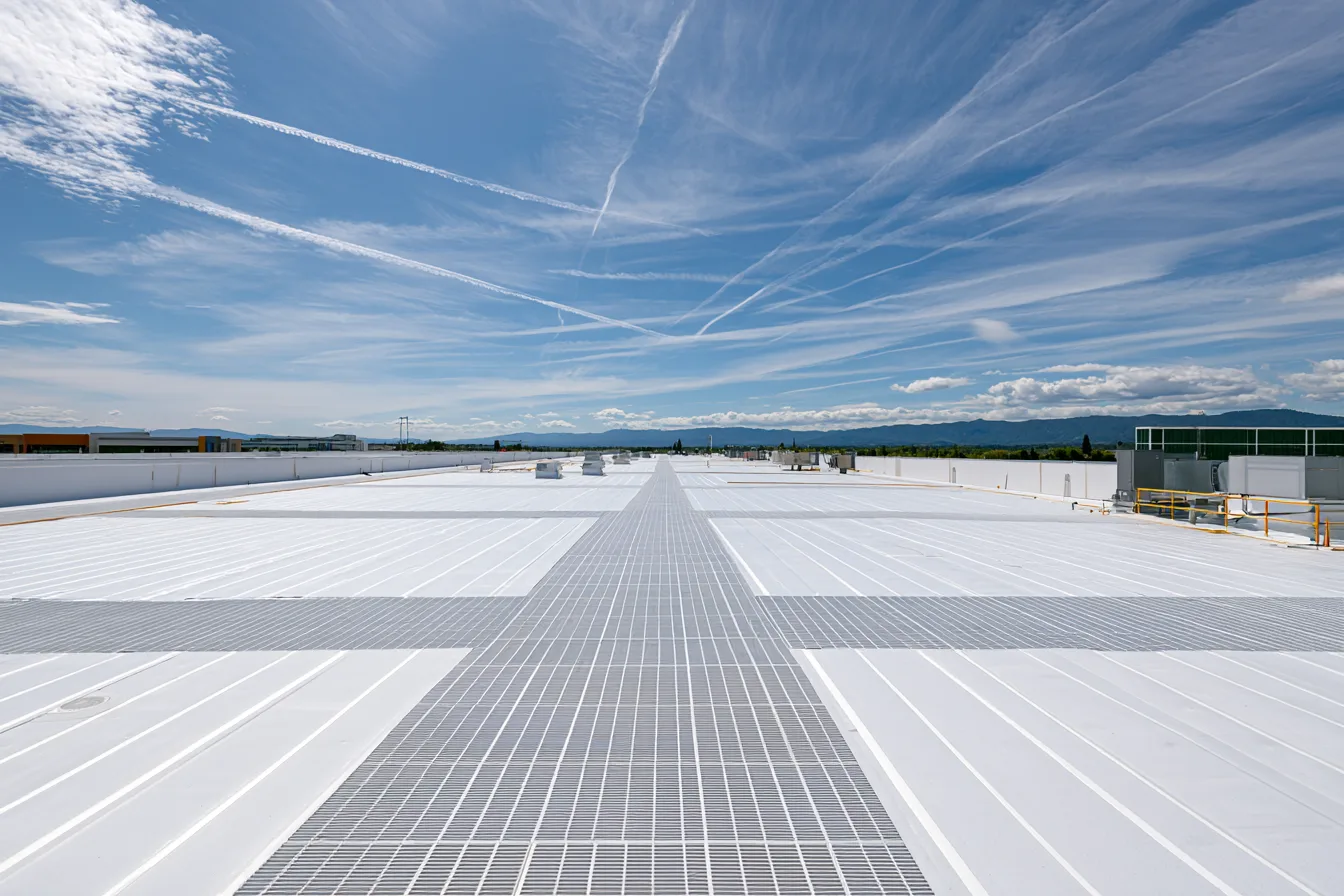
Primary drains and overflow scuppers
Check the primary drainage routes and the overflow provisions actually installed. A blocked outlet or damaged drainage component can retain water. The design may use scuppers, secondary drains or another arrangement; establish the system and the cause before defining the correction.
Seams over long runs
Long seam runs need assessment appropriate to the membrane. In thermoplastic systems, probing cooled welds is a manufacturer-described quality check. Visible condition, repair history and adjoining material also matter; a seam length does not establish that it is failing.
Curbs, penetrations and the equipment on them
Equipment, curbs, vents and other penetrations interrupt the roof surface. Examine their flashings and terminations, especially where changes or service work may have affected the connection. Equipment water sources need to be distinguished from roofing leaks.
Walkways and traffic paths
Frequent service routes can expose the covering to wear or accidental damage. Check the condition and the system’s requirements for protective walk surfaces. Pads help manage access but do not make every traffic route immune to damage.
Expansion joints and roof-to-wall lines
Expansion-joint covers and roof-to-wall flashings need to accommodate the movement expected in their design. Splits or detached components warrant investigation. The visible shape of an indoor stain does not identify that connection as the source.
Metal panel roofs and their fasteners
On a metal panel roof, inspect seams, attachments, flashings and the panel field. Exposed fasteners, seals and cut edges may need attention depending on the system and condition. Movement is one consideration alongside corrosion, installation and later alterations.
How roof work runs around a working facility
The order is set by the building, not by the roofer’s convenience.
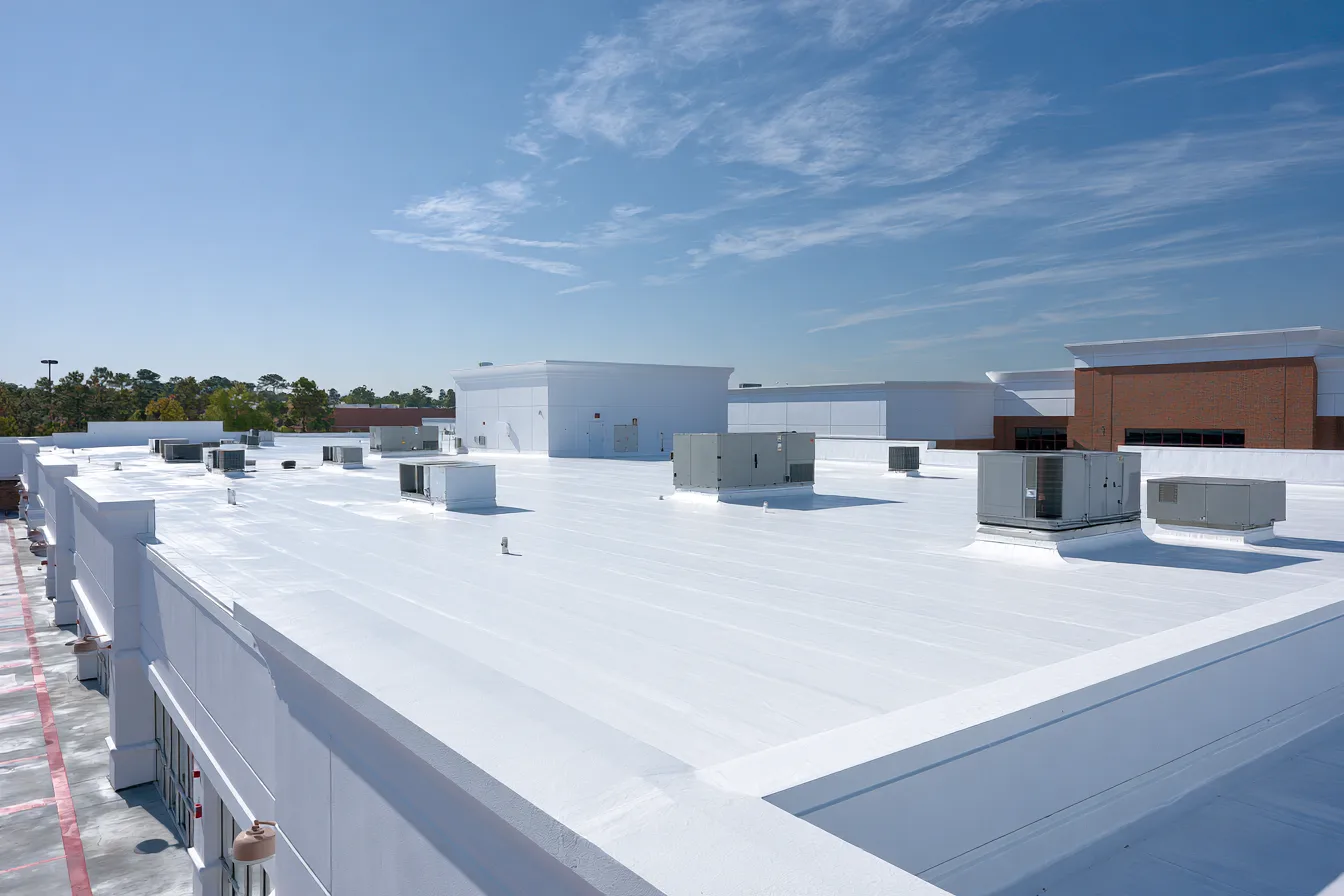
Walk the roof and map the findings
Agree the areas to be assessed, safe access and any known leak locations. On a large facility, identify findings by roof area so they can be related to the spaces below. Explain where access or concealed conditions limit the initial inspection.
Sort what is urgent from what is scheduled
Assess active entries, interior exposure and defects that may need prompt attention. Then distinguish the work that can be scheduled from that requiring earlier action. Actual condition and the facility’s needs set the priorities.
Agree the hours, the docks and the lifts
Choose material handling and setup suitable for the building. Where a crane or lift is needed, agree the location, permitted access and operating window around docks, lanes and shifts. Noise and interior protection belong in that coordination.
Plan closures and weather protection
Define the removal stages, temporary tie-ins and protection for opened areas. Weather, access and unexpected conditions can interrupt work, so discuss the contingency plan as well as the intended daily sequence. A schedule alone is not a guarantee that rain cannot enter.
Close out with the roof file
What was repaired, what was replaced, what was left and why, with the drains and seams that still need watching. That is the record the next budget conversation starts from.
Which system your building has changes the page you need
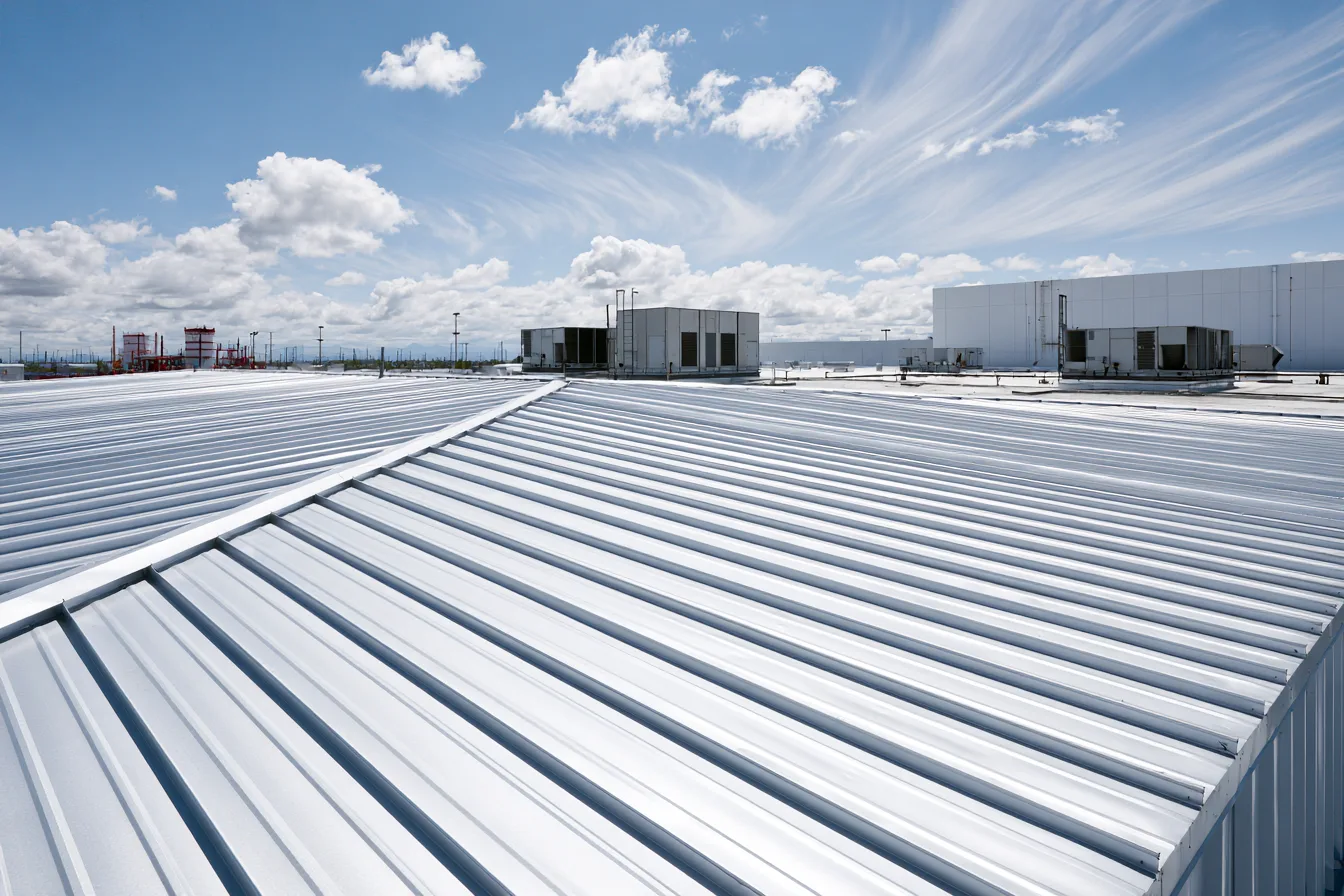
Distribution and manufacturing buildings carry different roof systems, and each fails and gets repaired differently.
- Single-ply membrane, such as TPO
TPO uses compatible thermoplastic welding and specified accessory details. Other single-ply membranes can use different methods. See TPO roofing for attachment, welding and when a recover fits.
- Modified bitumen or built-up roof
These asphalt-based roofs need compatible repair details. Restoration eligibility depends on retained-layer condition, moisture, attachment and the proposed system. Roof coatings explains the preparation and the limits.
- Metal panel roof
The panel system determines its attachment, movement and flashing details. Metal roofing covers how the panels move and how the details hold.
- Any system with a leak now
Commercial flat roof repair covers tracing a leak on a low-slope roof and patching it with material that matches what is there.
Eagle Business and Industrial Park roofing FAQs
Can you inspect a roof that covers several hundred thousand square feet?
You can request a free inspection for a large building. Give the approximate roof size, access arrangements and affected areas so the roofer can confirm the visit scope. Any additional moisture survey, sampling or other specialist work should be defined separately before it is undertaken.
Who should request the inspection, the tenant or the owner?
A tenant or owner can raise the concern. Identify who controls access and who is responsible for the roof under the lease. Agree the parties involved in receiving findings and authorizing work; one occupant’s request does not establish permission for the entire building.
Does a commercial reroof in the park need a DeSoto permit?
Yes. Roofing is on the City of DeSoto’s permit-required list, and the DeSoto roof permit guide lists the fee and the application portal.
Is a coating a way to avoid replacing a big roof?
A coating can restore a suitable existing roof after assessment and required corrective work. Wet or unstable material cannot simply be buried. The appropriate moisture investigation and the extent of repairs help establish whether restoration or replacement is the useful option.
Tell us about your building in the park
Give us the address, the system if known, where water is appearing and how roof access is arranged. Start with a free inspection and a discussion of the areas and work your facility needs.
Call (469) 523-0520