Roof replacement in DeSoto, TX
When the existing covering needs to come off, the new roof should account for the layers and connections below it. Request a free roof inspection in DeSoto.
Free inspection. A roofer walks the roof when conditions allow.

A new DeSoto roof starts with what is underneath
A new roof changes more than the view from the street. Removing the covering gives access to the deck that supports it and the junctions where water is directed away from the house. Those parts need to work together before the next covering goes on.
Replacement becomes a useful conversation when damage or deterioration is broad, or when a series of limited repairs would keep leaving the same problem in place. An inspection can distinguish that situation from a sound roof with one repairable opening.
Bring the practical priorities into the conversation too: a recurring leak, a change of material, or coordinating roof work with another home project. The condition establishes the work; your plans help shape the choices.
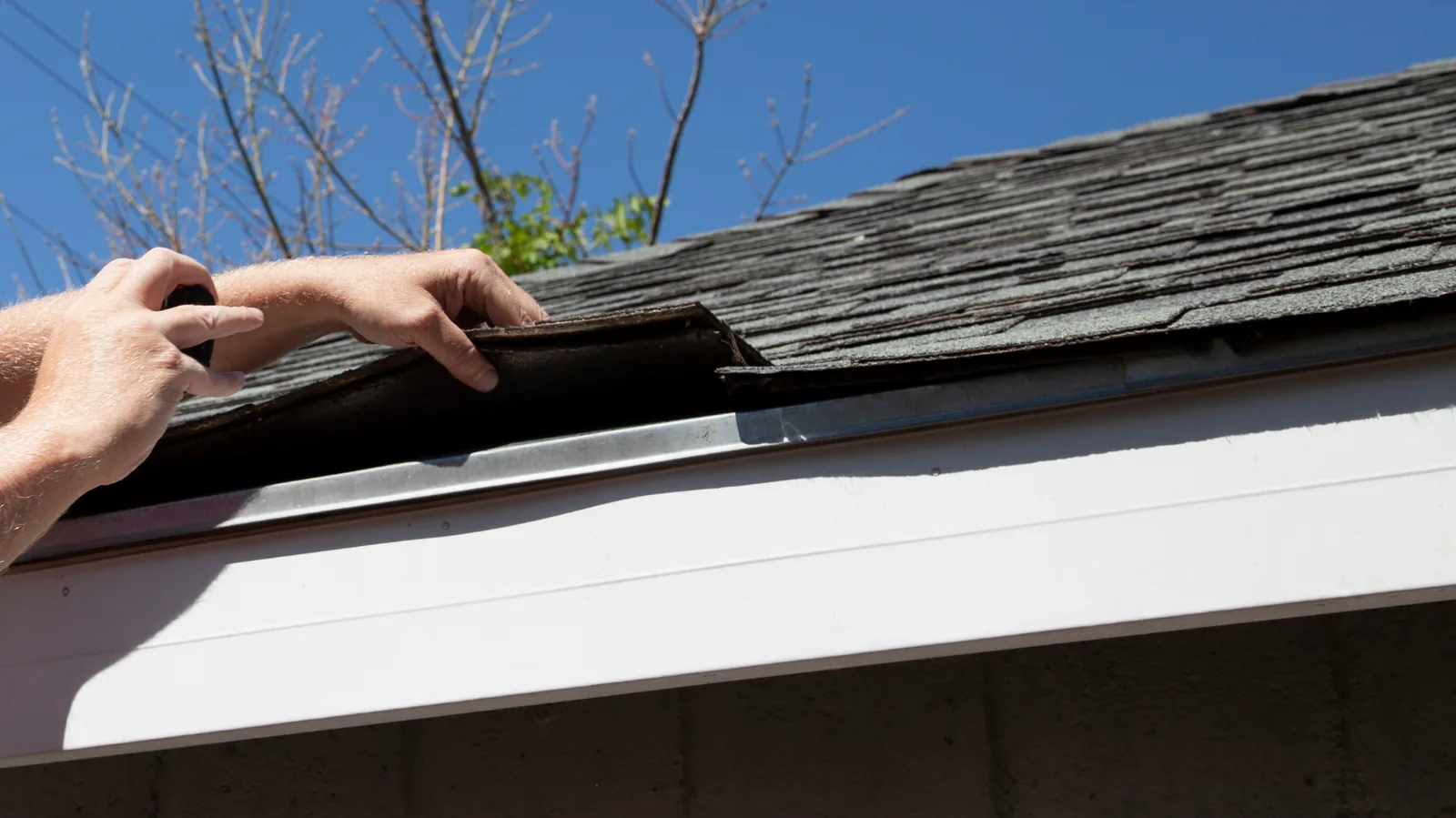
When a DeSoto roof is ready for replacement
No single sign settles it. What matters is whether the problem is in one place or all over the roof.
- The wear is on every slope
Bald patches where granules have washed off, shingle edges that curl or cup, and cracks running across tabs are the asphalt itself aging out. Sun-facing slopes show it first, but once it shows on all of them there is no sound roof left to repair back to.
- Repairs won’t tie in
A repair depends on the old shingles around it bending without breaking. When they snap as they are lifted, every patch damages its neighbors, and the repair keeps growing. That is the roof telling you it is done.
- Damage is spread across the roof
Hail or wind that has bruised, creased or stripped shingles on several slopes leaves too many repair areas to stitch together. The same goes for leaks that keep appearing in new rooms, which point to worn-out material more than one bad detail.
What a DeSoto roof replacement includes
A new roof is more than new shingles. The shingles are the top layer of a system, and replacing them is the one time every other layer is exposed and can be put right. Here is what is in that system, from the bottom up.

Tear-off
The old shingles, underlayment and nails come off down to the wood. If there is a second layer hiding under the first, it comes off too. Tearing off is what makes everything else on this list possible, because it is the only way to see the deck.
The deck
The plywood, OSB or plank boards over the rafters are what the whole roof is nailed to. Sheets that are soft, delaminated or water-stained through get replaced. Older homes with spaced plank decking may need the gaps dealt with so the new shingles have continuous support. None of this can be counted until the old roof is off, so it is priced as an allowance and settled by what is found.
Underlayment
A water-shedding layer covers the whole deck before any shingle goes on. Synthetic underlayment has replaced felt on many jobs because it lies flatter and holds up better while the roof is open. Valleys and the areas around pipes, walls and chimneys often get a self-sealing membrane, since those are the places water concentrates.
Drip edge and flashing
Metal drip edge goes along the eaves and rakes to keep water off the fascia. Step flashing at walls, flashing around the chimney and the lining in the valleys are replaced or reset as the shingles go on. Reusing tired flashing under a new roof is how a new roof ends up with an old leak.
Pipe boots and vents
Every penetration gets a new boot or flange lapped into the new shingles. The rubber on the old ones has had the same sun as the old shingles, and they are cheap to replace while the roof is open.
Attic ventilation
A shingle roof lasts longer over an attic that can breathe: air in at the soffits and out at the ridge or roof vents. A replacement is the time to look at whether the existing vents are doing that job and to cut in a ridge vent or add vents if they aren’t.
Shingles, hips and ridge
Starter shingles go along the edges, field shingles are nailed in courses up the slope, and purpose-made cap shingles finish the hips and ridge. The nailing pattern and placement come from the manufacturer’s instructions for that product, and they matter for both wind resistance and the warranty.
Cleanup and the permit
Tear-off makes a mess. Debris is hauled away and the yard, beds and driveway are swept with a magnet for nails. DeSoto lists roofing as permit-required work, and the DeSoto roof permit guide covers the published fee and where the application goes.
A DeSoto roof replacement from tear-off to cleanup
Here is the order the work happens in, and what each stage means for you at home.
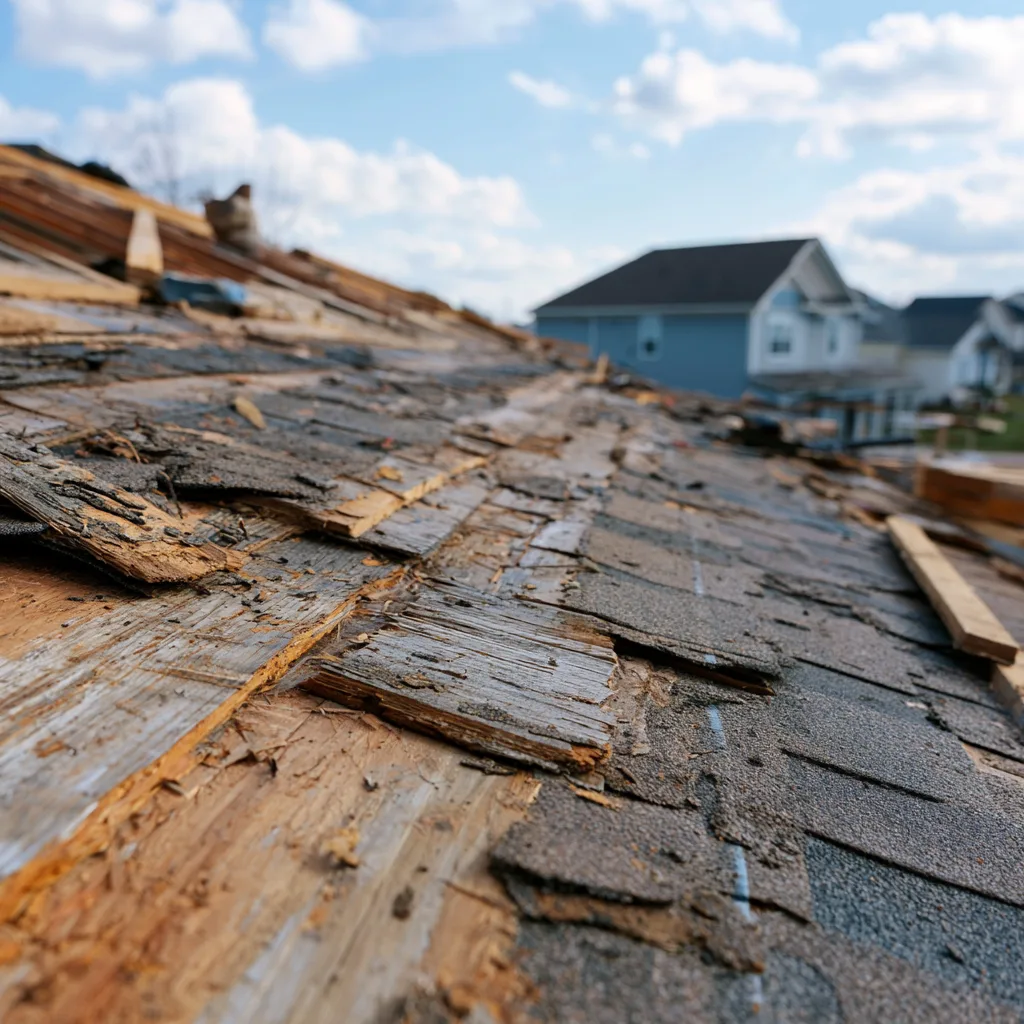
Set up on the ground
Materials are delivered, a dump trailer or dumpster is placed, and plants, AC units and windows near the house are covered. Cars come out of the garage and driveway first, because they won’t be able to once the trailer is in.
Tear off in sections
The old roof comes off a section at a time so no more deck is open to the sky than can be covered again. It is loud. Pictures on walls can rattle, and pets and nappers will notice.
Check and repair the deck
With the wood exposed, soft or damaged sheets are marked and replaced. This is when the decking allowance turns into a real number.
Dry the roof in
Drip edge, underlayment and valley lining go on. Once this layer is down, the house is protected from rain even though the shingles aren’t on yet.
Flash the walls, chimney and pipes
Step flashing, chimney flashing and new boots are set as the shingle courses reach them, so each piece laps correctly with the courses above and below.
Shingle, cap and vent
Field shingles go up the slopes, then hip and ridge caps, then the ridge vent or roof vents.
Clean up and close out
Debris is loaded, gutters are cleared of granules and scraps, and the ground is swept with a magnet. Any city inspection tied to the permit happens at this end of the job.
How many days this takes depends on the size and shape of the roof, how much decking needs work and the weather. A roof that is dried in can wait out a rain delay without harm.
Choose the next roof for your DeSoto home
Compare shingle types by profile, color and product classification. Architectural shingles create a layered appearance; an impact rating answers a separate testing question.
A metal roof brings different panel, attachment and flashing details. Where a low-slope porch meets a steeper roof, each section needs a compatible system. The roof shape helps determine the options.

Planning roof replacement cost in DeSoto
Square footage starts the math, but two roofs of the same size can be priced well apart. These are the things that move the number.
Roof shape
A simple gable with two big planes and little cutting.
Hips, valleys, dormers and wall intersections, each adding cuts, flashing and waste.
Slope and height
A walkable pitch on a single story.
A steep or two-story roof that needs extra safety setup and slows every task.
What comes off
One layer of shingles over solid decking.
Two layers to tear off and haul, or decking that turns out to need replacement once it is exposed.
Flashing and ventilation
Straightforward eaves and a few pipes, with vents that already work.
A chimney to reflash, long wall runs, or ventilation that has to be added or reworked.
The material
A standard architectural shingle.
Impact-rated or designer shingles, or a metal system with its own trim and labor.
The roof cost calculator compares regional installed replacement planning ranges on a consistent area basis. Use it to explore material choices, then let the inspection establish the details of your roof.
DeSoto roof replacement FAQs
Can new shingles go over the existing roof?
It can be allowed, depending on how many layers are there now and what the shingle manufacturer and the city permit. The trade-off is real, though. Going over the old roof leaves the decking unseen, adds weight and gives the new shingles an uneven bed. Tearing off is the only way to find and fix soft wood.
How long does a DeSoto roof replacement take?
Size, slope, material, deck repairs, weather and required inspections affect the sequence. Once the roof and work are understood, the project schedule can account for those conditions.
What is the cheapest time of year to replace a roof?
There is no dependable cheapest month for every DeSoto project. Scope, material and current scheduling conditions matter. If a roof is leaking, allowing damage to spread can increase the work regardless of season.
Does a new roof need a city permit?
DeSoto lists roofing as permit-required work. The permit guide explains the published fee and official application path.
Plan your DeSoto roof replacement
Tell us about the current roof and what you want the project to accomplish. A free inspection gives the replacement discussion a physical starting point.
Call (469) 523-0520