Commercial roofing in DeSoto
A commercial roof decision needs to account for the surface, what is underneath it and the building operating below. Start with a free inspection for your DeSoto property.
Free inspection. A roofer walks the roof when conditions allow.
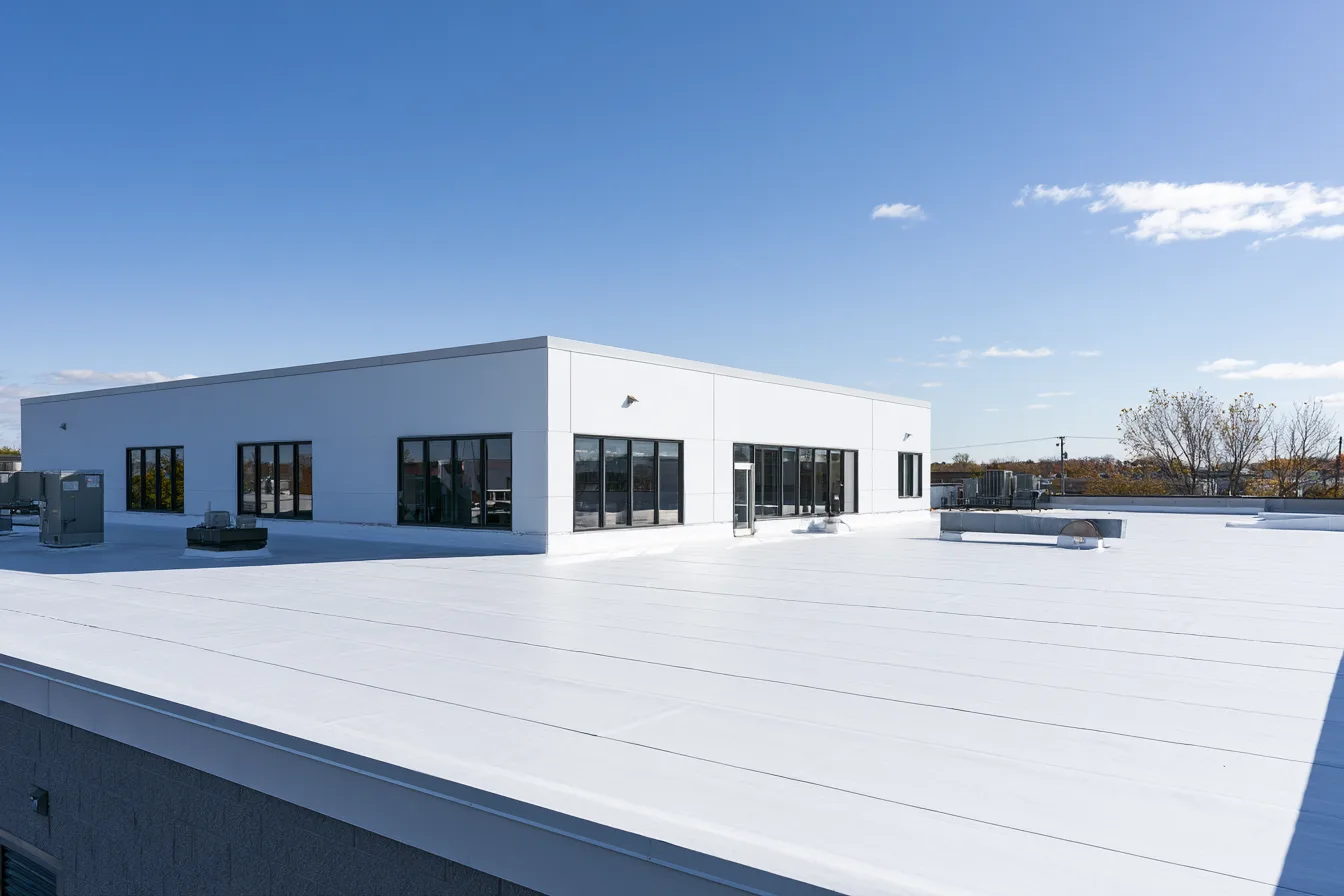
Plan DeSoto commercial roof work around the building
A stain over an office or stockroom can begin at a seam, a curb or a roof drain. Covering the wet spot on the surface does not answer whether moisture has reached the insulation below. That is why a commercial roofing scope starts with the existing assembly, not just the visible membrane.
TPO and other single-ply membranes, layered roofs and coated surfaces have different repair methods. The inspection needs to establish what is present, which details are failing and how the roof drains.
The building also sets the working conditions. Rooftop equipment, delivery routes, tenant access and areas that need to stay dry all affect the way a repair or replacement is planned. Those constraints are part of the roofing conversation from the beginning.
Repair, coating or replacement for a DeSoto commercial roof
These options address different roof conditions. A fresh surface cannot compensate for an unsuitable assembly beneath it.
- Localized repair
A sound field with a specific seam or flashing failure can support targeted work. The repair material and connection have to suit the existing membrane, and moisture damage beyond the opening must be accounted for.
- Coating or restoration
A roof that is sound, dry and compatible with the proposed coating can be a restoration candidate. Preparation, adhesion and detail repairs come first. Wet insulation and loose material need to be addressed rather than buried.
- Roof replacement
Widespread deterioration, moisture within the assembly or an unsuitable base can lead to removal and a new system. Replacement also creates the opportunity to resolve insulation and drainage details within the project.
Commercial roof details that deserve a closer look
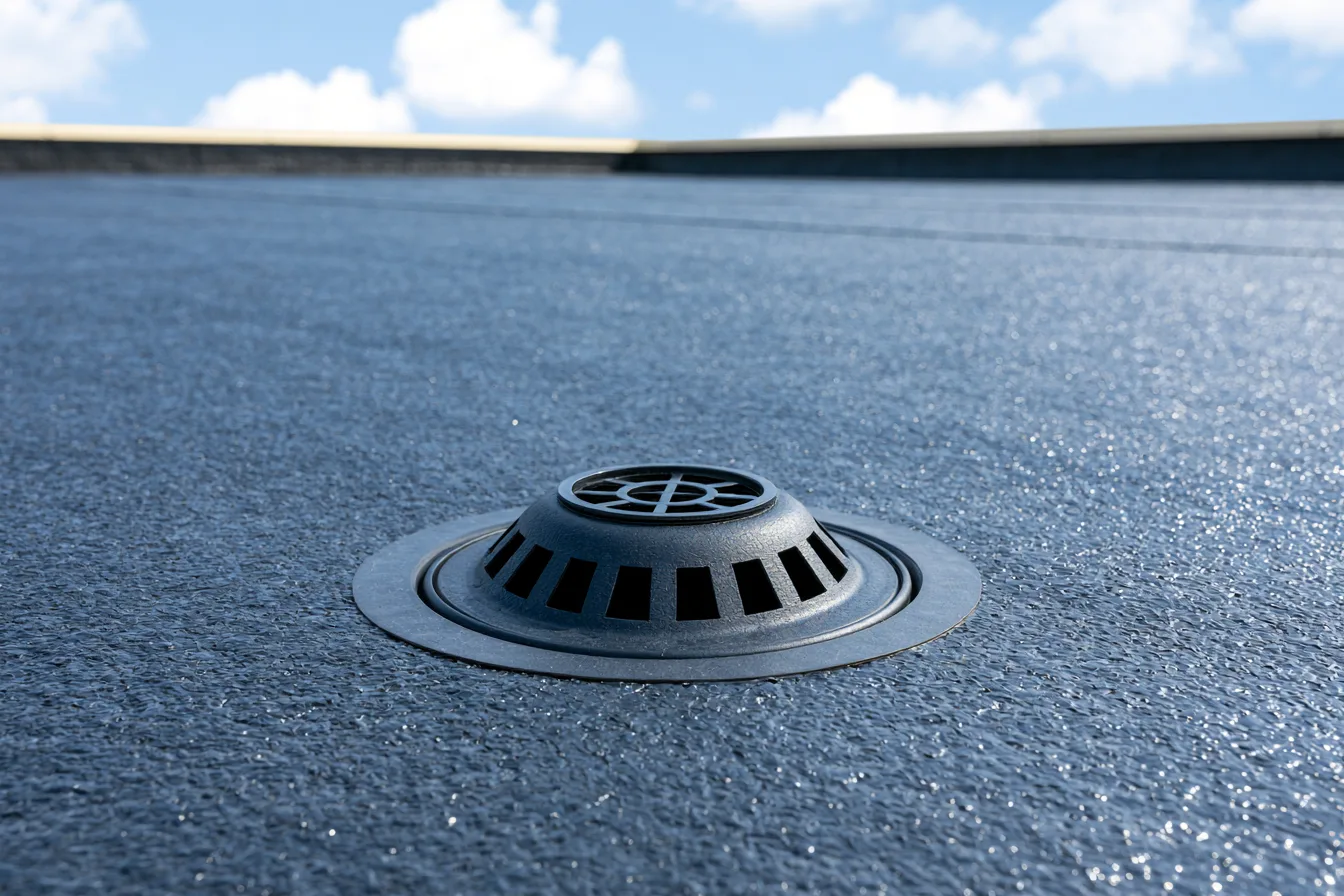
The route water takes off the roof
A roof that appears flat still needs a route to an outlet. Debris at a drain, an obstructed scupper or a low area can retain water. The inspection separates a maintenance obstruction from a drainage or substrate condition that needs roofing work.
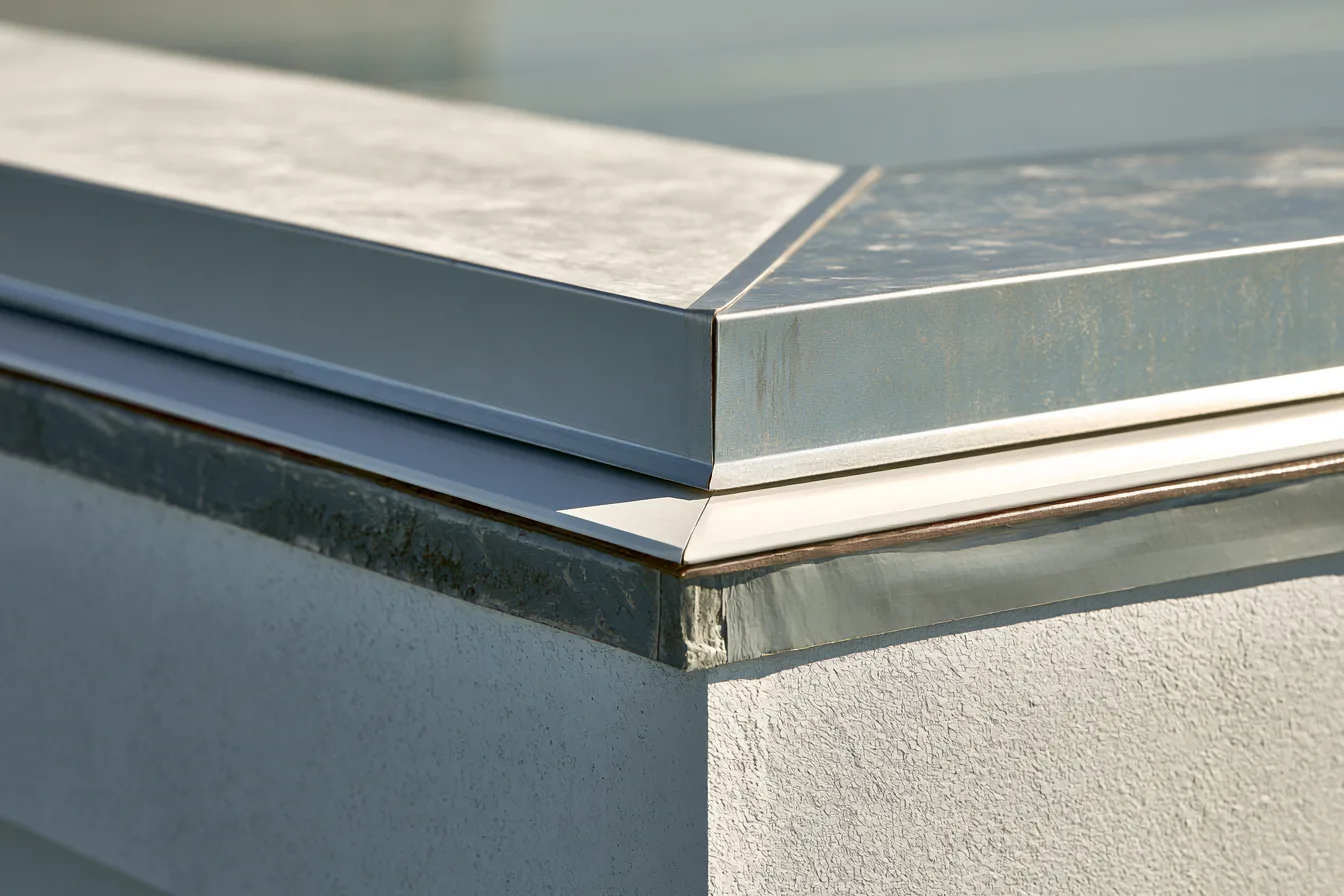
Where the roof meets the parapet
At a parapet, the waterproofing turns upward and meets wall and coping details. Movement or an open connection here gives rain a path beyond the roof surface. A repair must resolve that transition and its attachment, not merely cover the horizontal field.
What a DeSoto commercial roofing scope needs to resolve
Before anyone can say whether a commercial roof needs a repair, a coating or replacement, a handful of questions have to be answered on the roof. These are the ones that decide it.
Which roof is up there
TPO, PVC, EPDM, modified bitumen, built-up and coated roofs can look alike from the parking lot, and each is repaired differently. Earlier coatings and patches matter too, because new material has to bond to whatever is on the surface now.
Whether the insulation is dry
Insulation under the membrane soaks up water and holds it. Wet insulation loses its insulating value, adds weight, and rots or rusts the deck beneath it. Finding the wet areas may take a core cut or a moisture survey. It matters more than any other single finding, because a roof with dry insulation has options that a saturated roof doesn’t.
How water gets off the roof
A flat roof still has to drain. Drains, scuppers and the slope built into the insulation move water to the edges. Standing water that lingers well after rain can come from a clogged drain, which is maintenance, or from a low spot in the roof itself, which is a roofing problem.
Curbs, pipes and rooftop units
Every HVAC curb, vent pipe and conduit is a break in the membrane, and breaks are where leaks start. Flashing heights, the corners of curbs and the sealant in pitch pans all get a close look. Service traffic to the units counts as well, since dropped panels and tools puncture membrane.
The edges and parapet walls
The membrane turns up the parapet and ends under a coping cap or a termination bar. Wind works on a roof from its edges first, and a loose coping or open termination lets water in behind the membrane where no one sees it.
How the building has to keep running
Tenants, customers, deliveries and anything sensitive under the roof shape when and how work happens. Noise from tear-off, odor from adhesives and where a crane or lift can sit are all worth raising early.
How a DeSoto commercial roof project comes together
Whether the result is a repair or a new roof, the order of the work is the same.
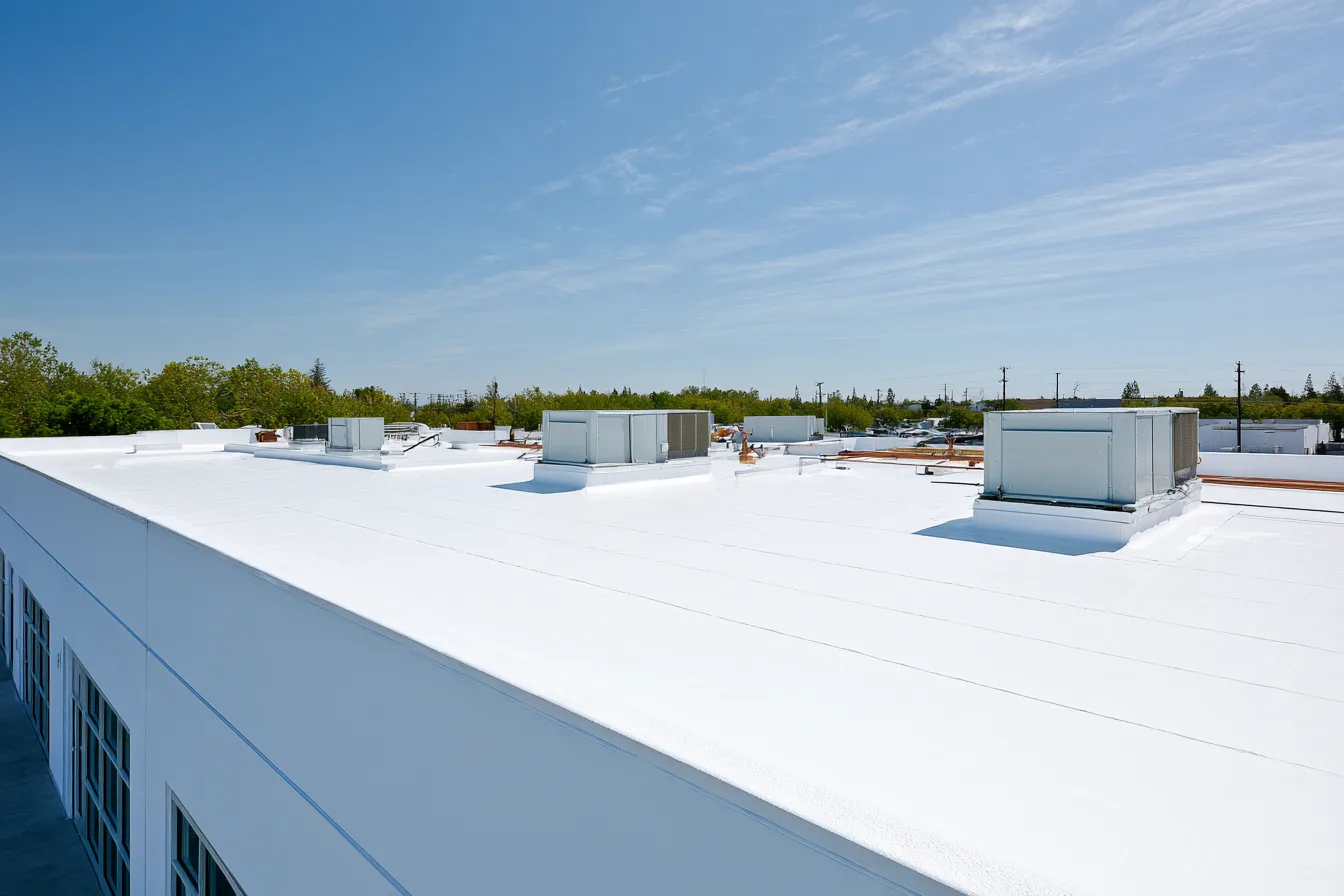
Start inside
Where the leaks show, how long they have been there and what sits under them. Stained ceiling tiles map the problem before anyone climbs a ladder.
Walk the roof
Identify the membrane, then check seams, flashings, drains and edges, with the most attention on the areas above the interior leaks.
Find the wet areas
Soft spots underfoot, blisters and ridges in the membrane point to wet insulation. Where it matters to the decision, a core cut shows the layers and how wet they are.
Match the work to each area
A roof doesn’t have to get one answer. It can make sense to replace a saturated section, repair the details on the rest and restore a sound field with a coating, as long as the materials are compatible.
Plan around the building
Set access, loading, working hours and how each day’s open roof gets closed up before weather or nightfall.
Do the work from the deck up
Wet material comes out, insulation and membrane go back, and the flashings at every curb, pipe, drain and edge are finished. Those details are the difference between a roof that looks done and one that is.
Explore commercial roofing systems and repairs in DeSoto
TPO roofing
A heat-welded single-ply membrane. The page covers attachment, insulation, seams and flashing, and how to tell whether an existing TPO roof can be repaired.
Read moreRoof coatings
Liquid-applied restoration over a roof worth keeping. The page covers what makes a roof a candidate, the preparation that comes first and how coating types differ.
Read moreFlat roof repair
Leak tracing and repairs matched to the membrane, including drains, parapet walls and what happens when the insulation below is wet.
Read moreDeSoto commercial roofing FAQs
Does “flat roof” identify the roofing material?
No. It describes the roof shape. A low-slope roof can use TPO, another single-ply membrane, modified bitumen or a layered system. The actual covering and its condition determine the repair method.
Can a coating stop any commercial roof leak?
A coating is conditional on the existing roof. Open details need repair, the surface needs suitable preparation, and wet or unsound material must be dealt with. A coating is not a substitute for finding the leak or assessing moisture below the surface.
How does TPO roofing differ from a coating?
TPO is a sheet membrane with heat-welded connections. A roof coating is applied as a liquid over a compatible prepared surface. They are different systems, with different details, preparation and eligibility.
Does DeSoto require permits for commercial roof work?
DeSoto lists roofing as permit-required work. The application needs to reflect the actual building and project. The city permit guide provides the official starting point.
Tell us about your DeSoto building
Share the building use, the roof concern and the location. A free inspection is the starting point for a scope that fits the roof and the property beneath it.
Call (469) 523-0520